Skip to content



If the United States is on the verge of entering another recession—as many economists suggest—it wouldn’t exactly be unprecedented. Far from it.
Over the past 100 years, the U.S. has averaged a recession roughly every 6 to 10 years. That means downturns aren’t rare events—they’re practically built into the rhythm of the economy.
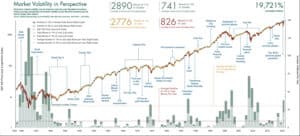
So, while today’s fears about a looming recession are widespread, this wouldn’t be a shocking curveball. It would simply be history doing what it always does.
Americans have had ample time to prepare. But the real question is: are we prepared the right way?
The Case for Gold: Protection During the Storm
In times of economic uncertainty, gold has historically held its value—even when other assets tumble. That’s why financial planners often recommend holding a portion of your portfolio in gold or gold-backed assets.
If a recession hits and you suddenly need liquidity—whether for emergency expenses or living costs—you don’t want to be forced to sell stocks at a loss or dip into retirement accounts when values are down. That’s where gold becomes more than just a shiny commodity: it becomes a strategic lifeline.
By maintaining its purchasing power during downturns, gold allows you to tap into funds without liquidating other depreciated investments, buying you time and flexibility until the market recovers.
The Signs Were There
Three years ago, just as the U.S. economy was bouncing back from the brief COVID-19 recession, economists were already warning of another slowdown. War in Ukraine, surging inflation, and rapidly rising interest rates signaled turbulence ahead.
Although a recession didn’t materialize immediately, it’s clear the economy has entered a “slow patch,” according to Wells Fargo’s investment strategist Veronica Willis. And now, fears are creeping back.
A recent CNBC Fed Survey placed the probability of a recession at 36%—up significantly from earlier in the year. J.P. Morgan’s chief economist puts the odds at 40%.
Protecting Yourself: Steps to Take Now
Whether you’re struggling to make ends meet or part of the top 1%, these financial strategies can help you stay resilient:
- Eliminate High-Interest Debt
Credit card debt is brutal in any economy, but during a recession, it can be crushing. With rates averaging 24.2%, paying off high-interest balances should be a priority.
- Build Emergency Savings
Experts recommend three to six months’ worth of expenses in a high-yield savings account. But remember: even a smaller cushion is better than none.
- Plan for Major Expenses
Whether it’s a new car or medical bills, planning now can prevent you from draining savings or selling assets when the market is down.
- Avoid Selling Low
If your portfolio takes a hit, resist the urge to sell in a panic. Markets recover—but only if you give them time. If you’re retired, consider using cash or gold holdings to cover expenses instead of selling undervalued stocks.
- Diversify—and Include Gold
A well-balanced portfolio is critical in volatile times. Beyond stocks and bonds, consider precious metals like gold, which tend to perform well when traditional markets falter.
The Real Value of Gold
It’s not just about growth—it’s about preservation. Gold doesn’t need to spike in value to be useful. Its ability to hold steady during financial crises is what makes it so powerful.
In a world where recessions occur regularly—nearly once a decade on average—owning gold isn’t about predicting the next downturn. It’s about expecting it and being ready when it comes.
Because when the economy slips, your goal shouldn’t be to panic—it should be to pivot. And gold lets you do just that.